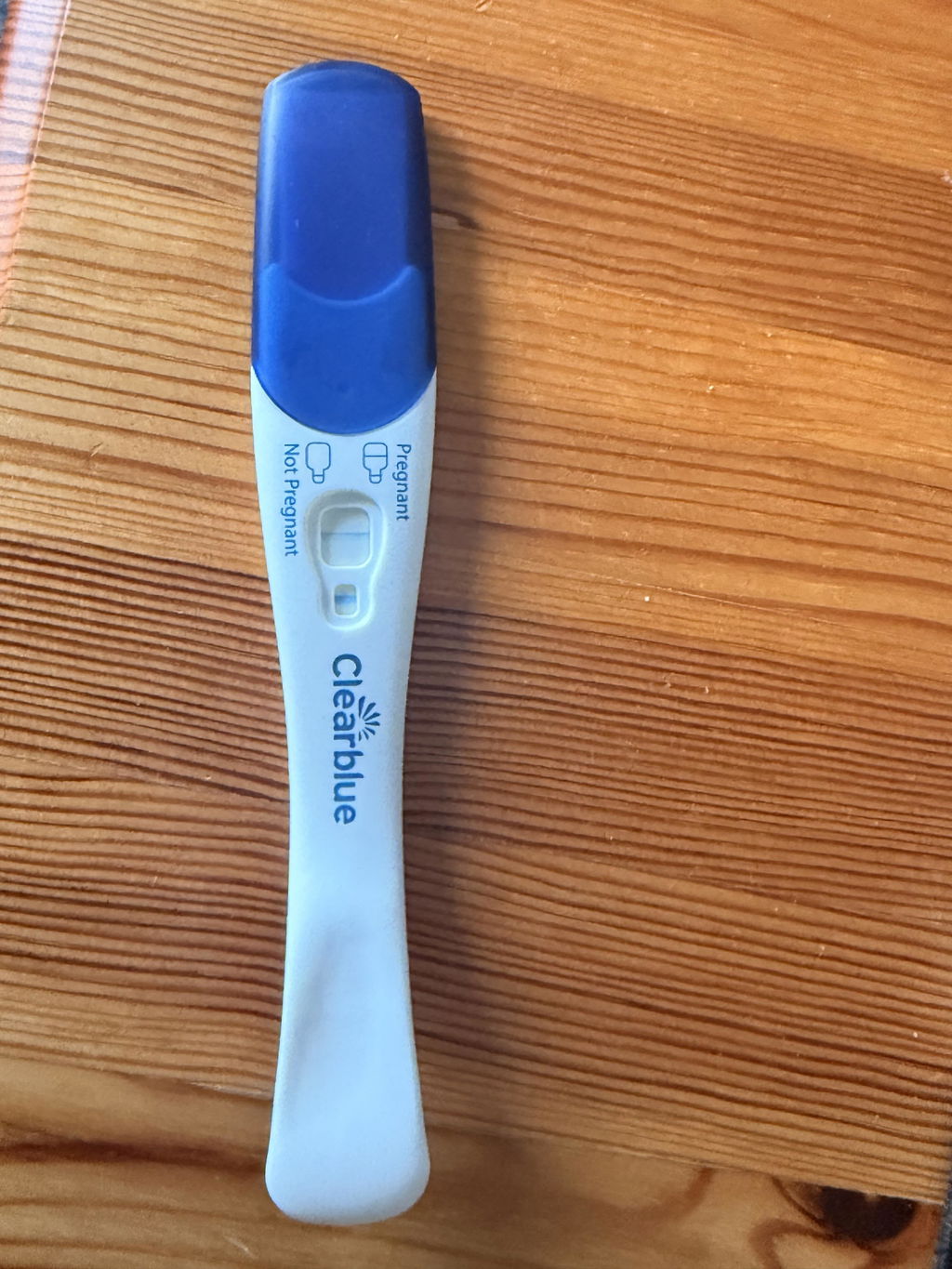
Trying to conceive can come with a whole new language. From ovulation and implantation to acronyms like OPK, IVF, and AMH, fertility conversations are full of unfamiliar terms, and it's easy to end up down a late-night Googling spiral just trying to understand your own body.
This glossary explains real TTC and fertility terms in plain, jargon-free language, organised A-Z so you can jump straight to the one you need. For full clinical definitions beyond what's here, the UK's fertility regulator keeps its own official reference, the HFEA A-Z fertility glossary.
Use the letter index below to jump straight to a term, or search this page (Ctrl/Cmd+F) for the exact word or acronym you came here for.
Watch: Fertility Terms Explained
Prefer to hear it explained out loud? These short videos from real fertility specialists cover ten of the terms people ask about most, swipe through each row to see them all.
The essentials
AMH, explained
IUI vs IVF, explained
The two-week wait, explained
PCOS / PMOS, explained
ICSI vs IVF, explained
More terms explained
Ovulation tests (OPK), explained
Semen analysis, explained
Cervical mucus, explained
Implantation bleeding, explained
The HSG test, explained
A
- Artificial Insemination (AI)
- Helping sperm reach the egg without sex, often at home or in a clinic.
- Amenorrhea
- When periods stop for 3 or more months in someone who previously had them.
- AMH (Anti-Müllerian Hormone)
- A hormone that helps estimate your egg reserve, tested any time in your cycle. It reflects how many eggs are likely left, not their quality. See the NHS's real AMH test information.
- Androgen
- A reproductive hormone found in all genders.
- Anovulation
- A cycle where no egg is released.
- Artificial Cervical Insemination (ACI)
- Sperm placed near the cervix to aid fertilisation.
- Anonymous Donor
- A sperm donor whose identity stays private from the recipient, though in the UK a donor-conceived person can request their donor's identifying details once they turn 18.
- Acuity Tracking
- Monitoring cycle signs and test results to spot patterns over time.
B
- Basal Body Temperature (BBT)
- Your resting temperature, tracked daily to spot ovulation after it's happened.
- Beta hCG
- A blood test that confirms or monitors pregnancy hormone levels.
- Bilateral Tubal Blockage
- Both fallopian tubes are blocked, preventing natural conception.
- Birth Order
- A legal document confirming parenthood after donor conception.
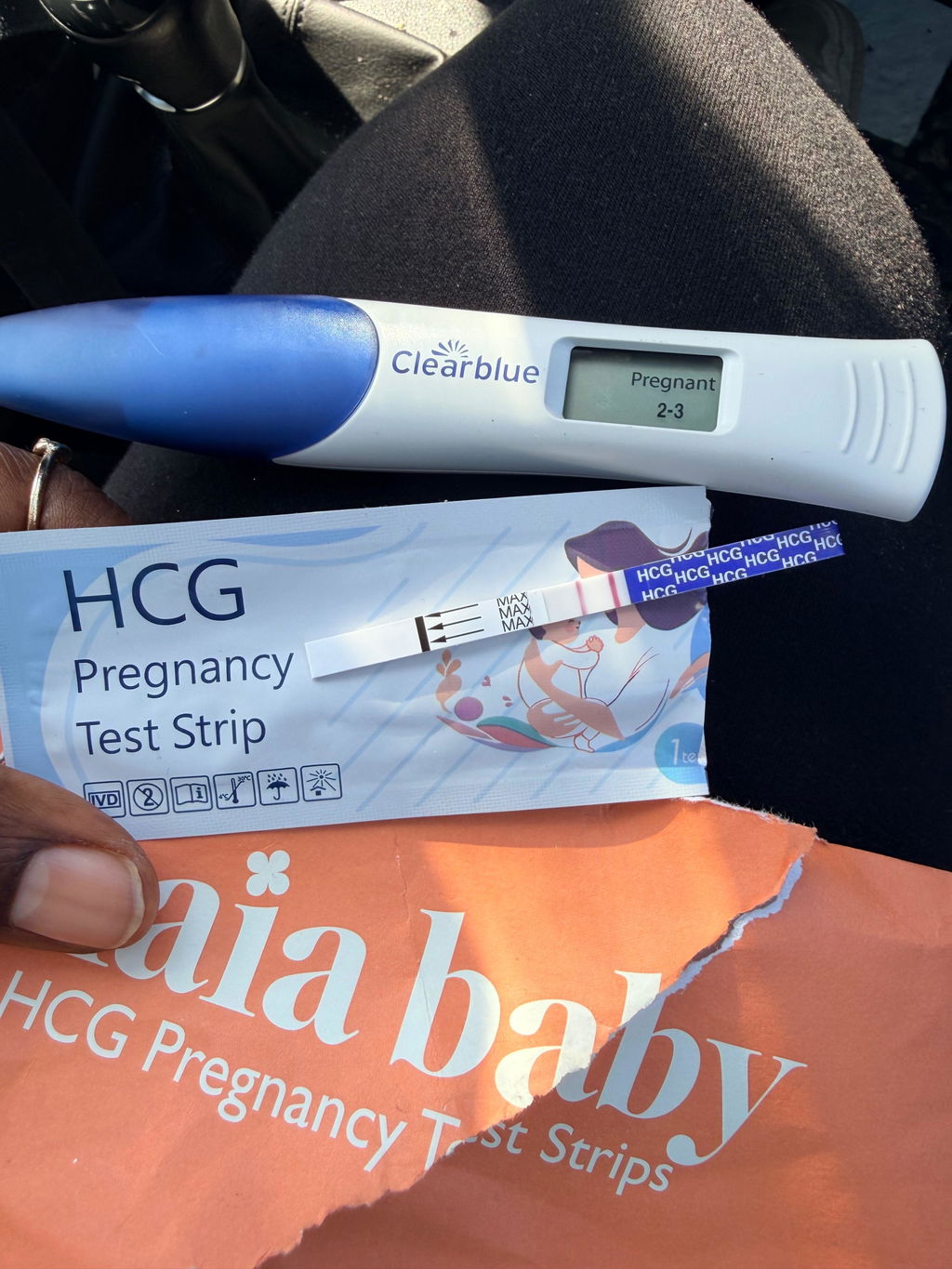
- BFP/BFN
- TTC slang for "Big Fat Positive" or "Big Fat Negative", the community's shorthand for a pregnancy test result.
- Blastocyst
- A 5-6 day old embryo that's ready to implant.
C
- Cervical Mucus
- Fertile fluid from your cervix that changes texture and amount across your cycle.
- Cervical Position
- The position and feel of your cervix, which changes during your fertile window.
- Clomid
- A fertility medication that helps trigger ovulation.
- Conception
- The moment sperm meets egg.
- Conception Cup
- A soft cup that keeps sperm near the cervix after insemination.
- Chemical Pregnancy
- An early pregnancy loss, shortly after implantation, often before it would show on a scan.
- Cryopreservation
- Freezing sperm, eggs, or embryos for future use. If you're weighing this up for sperm specifically, our guide to sperm freezing in the UK covers the real process and costs.
D
- Donor Agreement
- A legal document between donor and recipient setting out expectations and, in the UK, sitting alongside the HFEA's own legal rules on donor conception.
- Donor Registry
- A database that stores donor profiles and genetic information.
- Donor Sperm
- Sperm provided by a donor rather than a partner.
- Due Date
- Your estimated baby arrival date, usually calculated as 40 weeks from your last period.
- DHEA
- A hormone supplement sometimes used to support egg quality.
- Double Insemination
- Two inseminations close together within one cycle.
E
- Endometrium
- The lining of the uterus, which thickens each cycle for possible implantation.
- Estrogen
- A hormone that supports ovulation and regulates the menstrual cycle.
- Elevated Position
- Lying with your hips raised after insemination. There's real debate over whether this actually helps, our guide on whether lying down after sex helps conception goes through what the evidence actually says.
- Egg Reserve
- The number of eggs remaining in your ovaries.
- Egg Retrieval
- Collecting eggs from the ovaries, usually as part of IVF.
- Egg Sharing
- Donating eggs to another person, often as part of a shared-cycle IVF arrangement.
- Embryo
- A fertilised egg that has started dividing.
- Embryo Transfer
- Placing the embryo into the uterus.
F
- Fallopian Tubes
- The tubes connecting ovaries to uterus, where fertilisation typically happens.
- Fertility Awareness Method (FAM)
- Tracking cycle signs like temperature and cervical mucus to identify fertile days.
- Fertility Window
- The days when conception is most likely, generally the 5-6 days ending on ovulation day.
- Follicle
- A sac in your ovary containing a developing egg.
- FSH
- Follicle-stimulating hormone, which helps eggs mature.
- Fresh Sperm
- Sperm used soon after collection rather than frozen. See how long sperm stay viable for how this affects timing.
G
- Gametes
- Reproductive cells, meaning sperm or eggs.
- Gestation
- The length of a pregnancy, typically around 40 weeks.
- Genetic Screening
- Testing sperm or embryos for hereditary conditions.
- GnRH
- Gonadotropin-releasing hormone, which triggers the hormonal chain that leads to ovulation.
- Gynaecologist
- A doctor who specialises in reproductive health.
- Gonal-F
- A medication that stimulates the ovaries to produce eggs, commonly used in IVF.
H
- hCG
- Human chorionic gonadotropin, the hormone detected by pregnancy tests. If you're wondering when it's actually detectable, see when to take a pregnancy test after ovulation.
- Home Insemination
- Using donor sperm and a syringe to inseminate at home rather than in a clinic.
- HSG
- Hysterosalpingogram, an x-ray procedure that checks for blockages in the fallopian tubes. See the NHS's real HSG patient information.
- Hormone Panel
- A blood test that checks key fertility hormones together.
- Hypothalamus
- A brain region that regulates reproductive hormones.
I
- ICSI
- Intracytoplasmic sperm injection, a lab procedure where a single sperm is injected directly into an egg.
- Implantation
- When a fertilised egg attaches to the uterine lining.
- Implantation Bleeding
- Light spotting that may happen around the time an embryo implants. Some people mistake it for their period arriving early, our full guide on implantation bleeding, timing, and what's normal explains what to expect.
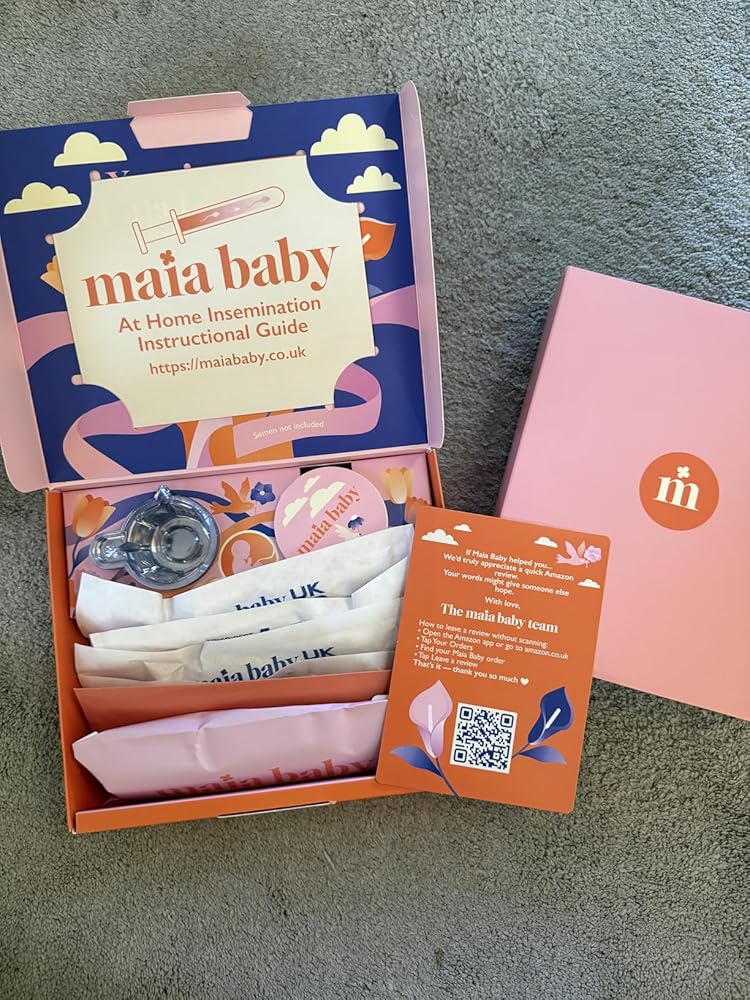
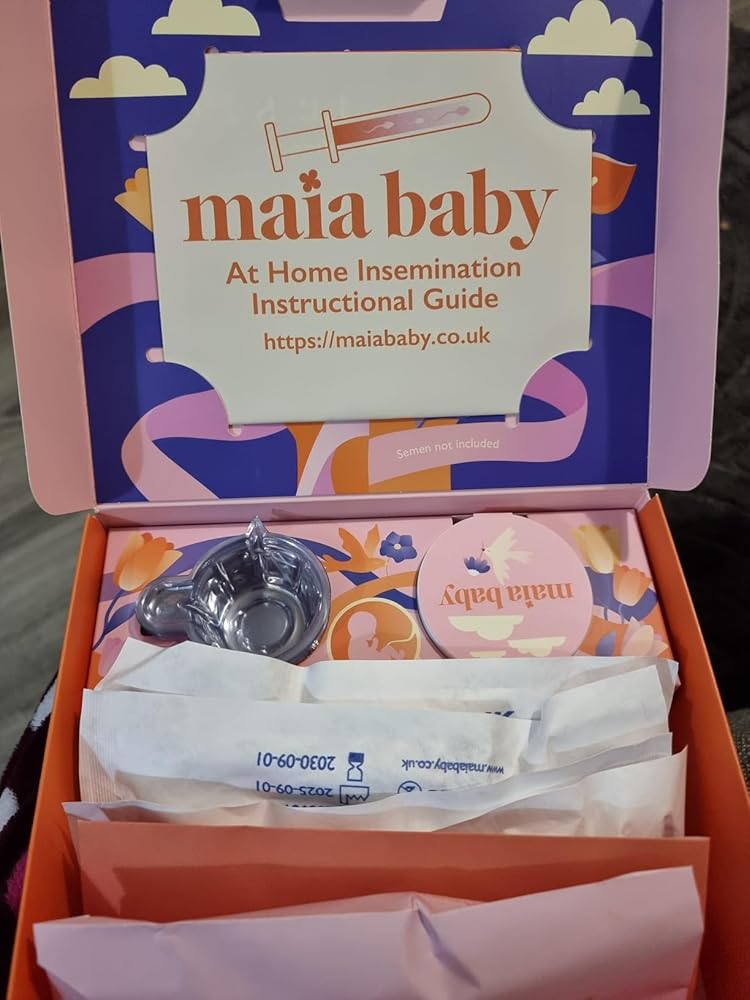
- Insemination Kit
- The tools used for home insemination.
- Insemination Syringe
- A syringe designed for placing sperm near the cervix.
- ICI
- Intracervical insemination, where sperm is placed at the cervix rather than inside the uterus.
- IUI
- Intrauterine insemination, where sperm is placed directly into the uterus, usually at a clinic. See real UK insemination prices for what this and home insemination actually cost.
- IVF
- In vitro fertilisation: fertilising eggs with sperm in a lab, then transferring the resulting embryo into the uterus. See the NHS's real explanation of the IVF process and NHS eligibility.
J
- Journey (TTC)
- Your path to parenthood. Emotional, physical, unique to you, and valid whatever shape it takes.
K
- Known Donor
- A donor whose identity is known to the recipient from the start, rather than through a clinic's anonymous donor programme.
L
- Leakage
- Fluid coming out after insemination. Completely normal and expected, not a sign anything went wrong. We explain why in sperm leakage after insemination: is it normal?
- Letrozole
- A medication that stimulates ovulation, sometimes used as an alternative to Clomid.
- LH
- Luteinising hormone, the hormone that surges to signal your body to ovulate.
- Luteal Phase
- The second half of your cycle, after ovulation and before your next period.
- LGBTQ+ Family Building
- Fertility options and pathways designed for LGBTQ+ individuals and couples.
M
- Menstrual Cycle
- The full monthly hormonal cycle, from period to ovulation to the next period.
- Miscarriage
- Pregnancy loss before 20 weeks.
- Monitored Cycle
- A fertility treatment cycle with regular scans and bloodwork to track progress.
- Motility
- How well sperm swim, one of the key measures in a semen analysis.
- Morphology
- The shape and structure of sperm, also assessed in a semen analysis.
N
- Non-Anonymous Donor
- A donor who may agree to future contact with donor-conceived children.
- Natural Cycle
- A non-medicated fertility cycle, with no ovulation-inducing drugs involved.
- No Sperm Count (Azoospermia)
- A condition where no sperm are found in a semen sample.
O
- Ovarian Reserve
- An estimate of how many eggs are likely left in your ovaries.
- Ovulation
- The release of a mature egg from the ovary. If you're trying to conceive, understanding ovulation timing is genuinely the highest-leverage thing you can learn, our guide on the best time to get pregnant explains how to identify your fertile window.
- Ovulation Pain
- Twinges or cramping around the time an egg is released.
- OPK
- Ovulation predictor kit, a test that detects the LH surge to predict ovulation 24-36 hours ahead.
- Oestrogen
- A hormone that plays a key role in the menstrual cycle and ovulation (same hormone as "estrogen", just the UK spelling).
P
- PCOS
- Polycystic ovary syndrome, a hormone condition that can affect ovulation and is one of the most common causes of irregular cycles. As of a May 2026 global consensus, it's being renamed PMOS (polyendocrine metabolic ovarian syndrome) to better reflect that it's a hormonal and metabolic condition, not really about ovarian cysts. NICE has adopted the new name, though the switch is rolling out gradually through 2028, so you'll still see both terms used for a while. See the NHS's real PCOS information.
- PMOS
- The new name for PCOS (polyendocrine metabolic ovarian syndrome), adopted globally in May 2026. Same condition, same diagnostic criteria, see the PCOS entry above.
- Post-Insemination Care
- Anything you do after insemination to support fertilisation, from resting to timing follow-up tests.
- Post-Ovulation
- The luteal phase, the part of your cycle after the egg is released.
- Pre-Seed
- A sperm-friendly lubricant designed not to interfere with sperm movement.
- Progesterone
- The hormone that supports early pregnancy after ovulation.
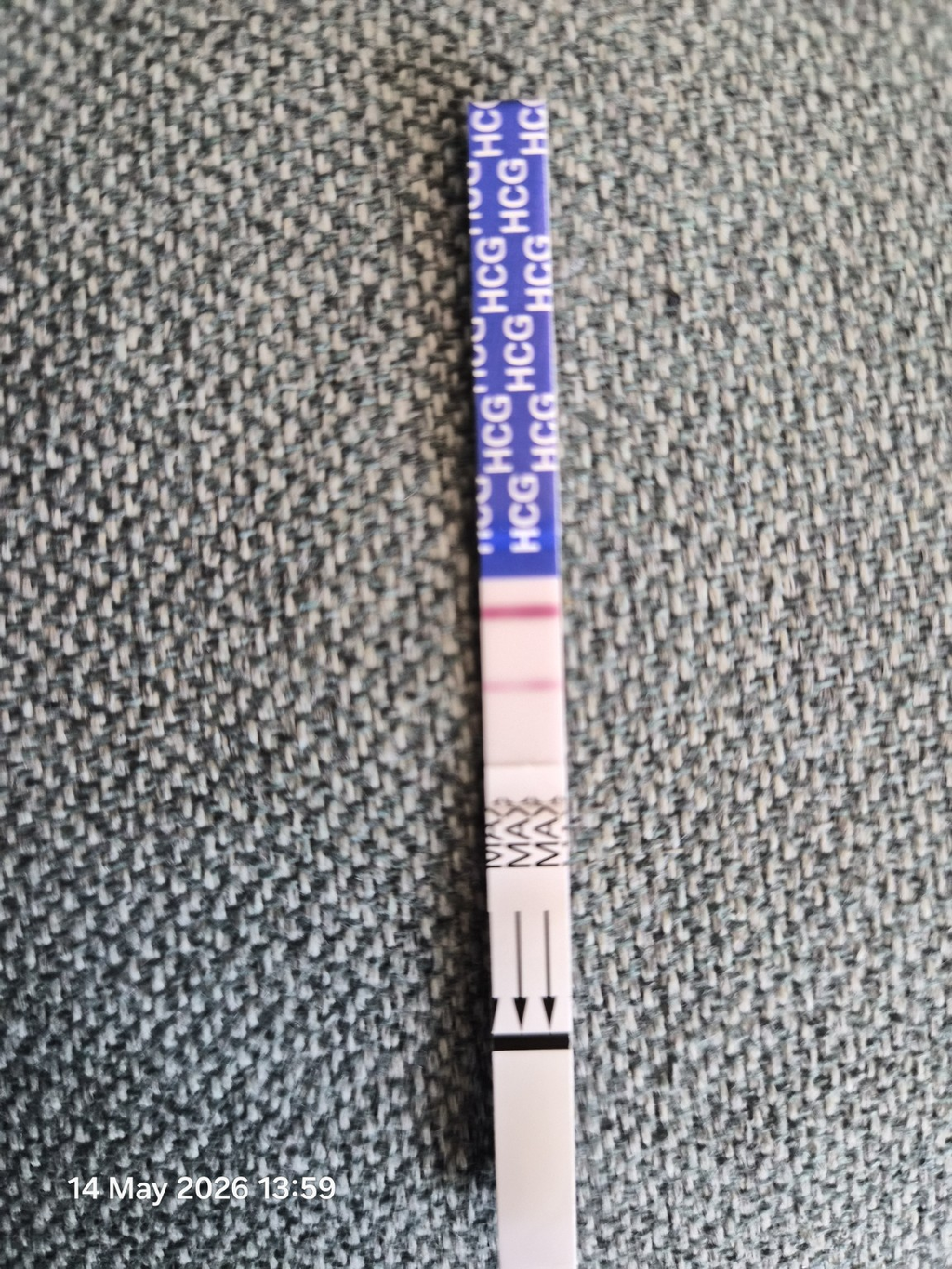
- Pregnancy Test
- Detects hCG in urine or blood to confirm pregnancy. If a line looks faint or unclear, our guide on evap lines vs faint positives explains how to tell the difference.
Q
- Quality of Embryo
- How healthy and developed an embryo is, assessed visually in IVF labs.
- Queer Family Building
- Fertility support and pathways for queer individuals and couples.
R
- Reproductive Endocrinologist
- A doctor who specialises in fertility and hormone health.
- Retention Cup
- A soft cup that holds sperm near the cervix after insemination.
- Recipient
- The person receiving donor sperm, donor eggs, or an embryo.
- Round
- One complete IVF cycle, from stimulation through to embryo transfer.
S
- Secondary Infertility
- Struggling to conceive again after already having a child.
- Specimen Cup
- A sterile container used to collect a sperm sample.
- Sperm Motility
- A measure of how well sperm move, reported on a semen analysis.
- Sperm Washing
- A lab process that prepares sperm for IUI or IVF by separating healthy, motile sperm from semen.
- Surge
- A rapid rise in LH that means ovulation is near.
- Symptothermal Method
- A combined approach using basal body temperature and cervical mucus tracking to find fertile days.
T
- Timed Insemination
- Aligning insemination with your fertile window around ovulation.
- Trigger Shot
- An injection that causes ovulation, timed precisely before IUI or IVF.
- Two-Week Wait (TWW)
- The wait between ovulation or insemination and taking a pregnancy test. Emotionally, this is often the hardest part of a cycle, our guide on two-week wait symptoms covers what's actually happening in your body during it.
- Testosterone
- A hormone found in all bodies, important for reproductive function in both partners.
U
- Uterus
- The womb, where pregnancy develops.
- Ultrasound
- A scan used to track follicles, eggs, or early pregnancy.
V
- Vaginal Insemination
- Placing sperm into the vagina using a syringe or insemination device.
- Viability
- Whether a pregnancy is likely to continue and result in a live birth.
- Viscosity
- The texture or thickness of cervical mucus, which changes across your cycle.
W
- Wash Protocol
- A lab technique for preparing sperm before IUI.
- Window of Implantation
- The brief window when the uterus is most receptive to an embryo.
X
- X-Chromosome
- A sex chromosome carried by both sperm and eggs. Leads to a female embryo when paired with another X.
Y
- Y-Chromosome
- A sex chromosome carried only by sperm. Leads to a male embryo when paired with an X.
Z
- Zygote
- The single cell formed the moment a sperm fertilises an egg, the very start of new life.
Keep Learning with Maia Baby
Fertility terms can feel overwhelming, but you're not alone on this journey. If you're still curious about what's normal after insemination, when to test, or how to time things right, we've got gentle, science-backed guides that walk you through it all.
FAQ: Fertility Terms Explained
What does TTC mean?
TTC stands for "trying to conceive". It's the community's standard shorthand across forums, apps, and social media for anyone actively working toward a pregnancy, whether that's through timed sex, home insemination, or clinical treatment.
What's the difference between IUI and IVF?
IUI (intrauterine insemination) places prepared sperm directly into the uterus around ovulation, fertilisation still happens inside the body. IVF (in vitro fertilisation) fertilises eggs with sperm in a lab, then transfers the resulting embryo into the uterus. IVF involves more steps, more monitoring, and a higher cost, but is generally more effective per cycle for many causes of infertility.
What does BFP mean on a pregnancy test?
BFP stands for "big fat positive", TTC slang for a positive pregnancy test result. BFN, its counterpart, means "big fat negative". Both are informal community terms, not clinical ones.
What is AMH and why does it matter for fertility?
AMH (Anti-Müllerian Hormone) is a blood test that estimates how many eggs you have left, your ovarian reserve. It can be tested at any point in your cycle and is often one of the first tests offered when investigating fertility, though it says nothing about egg quality, only quantity.
How long does the two-week wait actually last?
Despite the name, it's typically 10 to 14 days: the time between ovulation (or insemination) and when a pregnancy test can reliably detect hCG. Testing earlier than that risks a false negative, since hCG needs time to build up to a detectable level.
What's the difference between a chemical pregnancy and a miscarriage?
A chemical pregnancy is a very early loss, shortly after implantation, often before it would be visible on an ultrasound and sometimes before a missed period. A miscarriage more broadly refers to any pregnancy loss before 20 weeks. Both are real losses and both are, unfortunately, common.
Keep Reading: More TTC Guides
Looking for more evidence-based support while you're trying to conceive? These guides go deeper on related questions:
- 9 Natural Ways to Boost Fertility
- Stress and Trying to Conceive: How to Cope During Your TTC Journey
- Foods to Eat When Trying to Conceive: The Ultimate Fertility Diet Guide
- Trying to Conceive? What Actually Helped Us at the Beginning
- Why Am I Not Getting Pregnant? What I Wish I'd Known Earlier
You've got this, and we're here every step of the way.