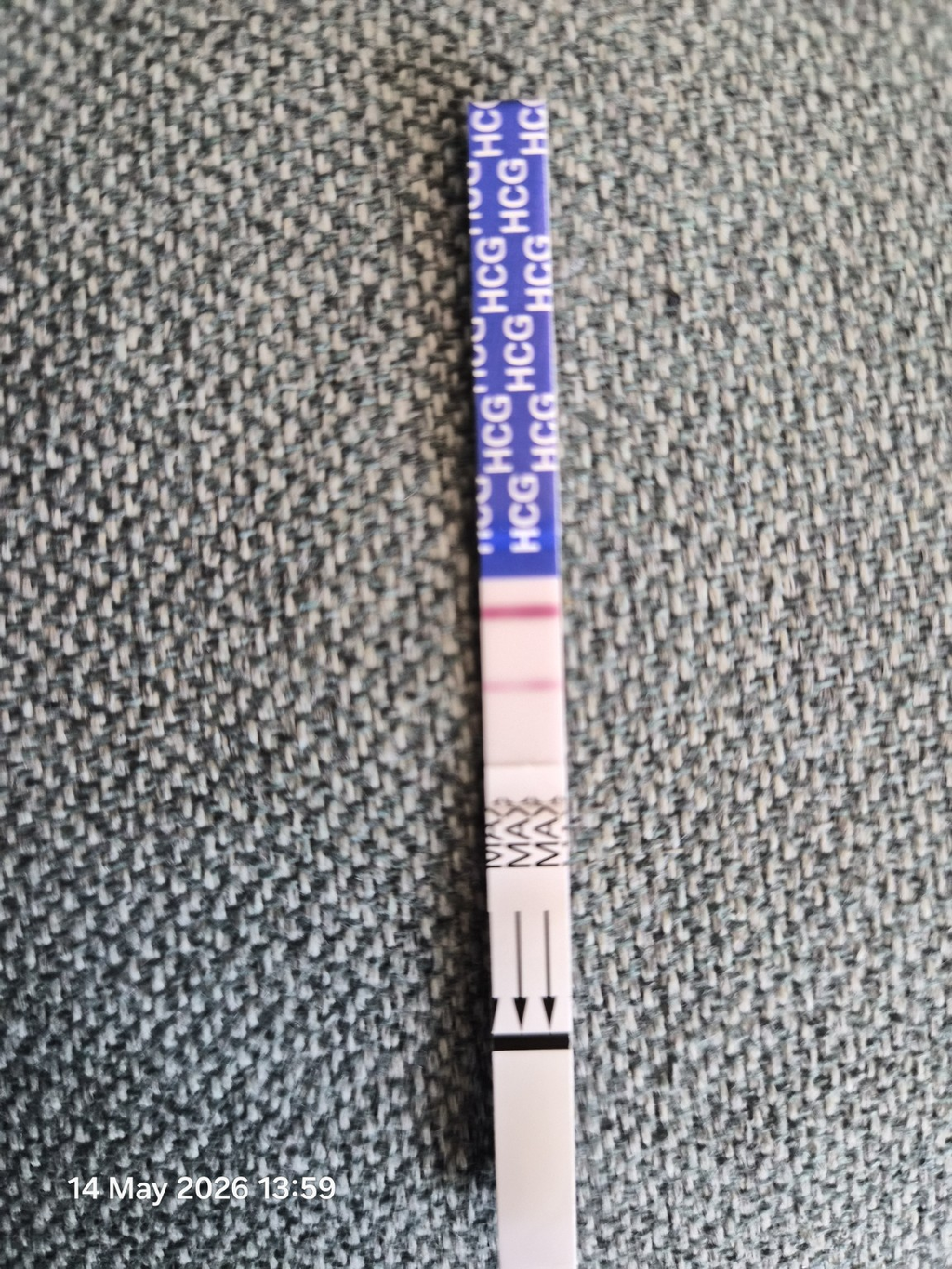
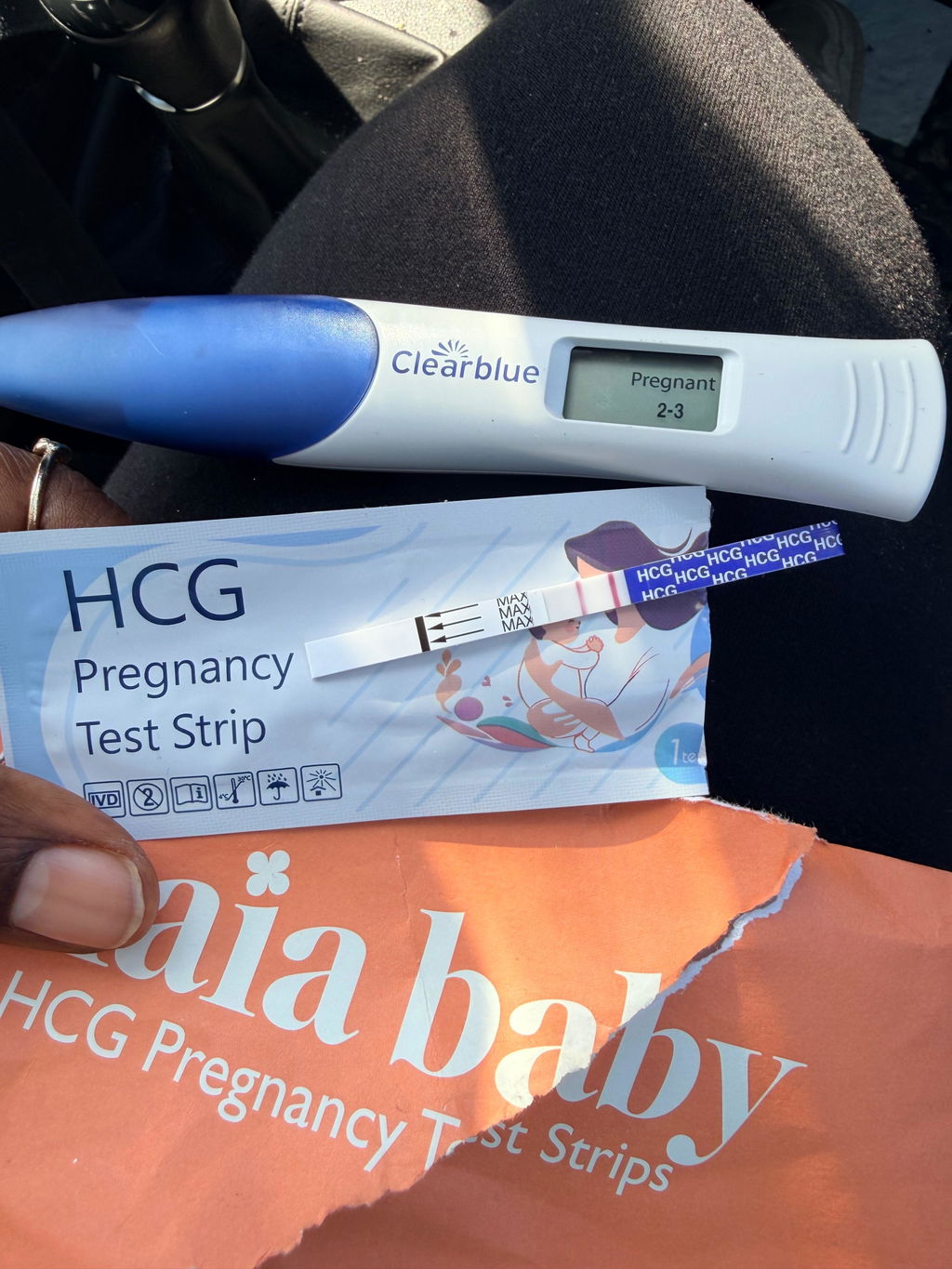
Implantation bleeding is light spotting that can happen when a fertilised egg attaches to the lining of your uterus, usually somewhere between 6 and 12 days after ovulation. It's not dangerous, it doesn't harm a pregnancy, and it's genuinely one of the most misread signals of the whole two-week wait.
I spent a good few cycles convinced every bit of spotting meant something. It almost never did. What actually helped was learning what implantation bleeding really looks like, when it actually happens, and how it's genuinely different from a period, rather than just symptom-spotting every twinge.
What Is Implantation Bleeding, Really? (The Short Answer First)
Implantation bleeding happens when a fertilised egg burrows into the uterine lining, which is rich with blood vessels. That process can disturb a small amount of tissue and cause light spotting, usually far too little to actually need a pad.
It's genuinely common to have zero symptoms and still be pregnant. It's also genuinely common to spot and not be pregnant at all. On its own, implantation bleeding is a clue, not a confirmation, and that's worth sitting with before you read any further.
The timing comes from real research, not folk wisdom. A landmark study in the New England Journal of Medicine that tracked daily hormone levels in 221 women trying to conceive found implantation typically happens 6 to 12 days after ovulation, with 84% of pregnancies implanting on day 8, 9, or 10 specifically. That's a real, tracked window, not a rough guess.
How I Actually Told the Difference (Implantation Bleeding vs a Period)
For the first few cycles, I genuinely couldn't tell. Light spotting a few days before my period was due looked close enough to "early period" that I mostly ignored it.
What actually changed things was paying attention to colour and volume, not just timing. Implantation bleeding tends to be pink or brown, not the fresh red of a period, and it's usually just a few spots or a light smear rather than something that needs a pad.

👉 If it's heavy enough to need a pad, or it's turned bright red with a steady flow, that's much more likely to be your period than implantation bleeding.
Dr Lora Shahine, a US reproductive endocrinologist, walks through exactly this comparison, colour, flow, and duration, if you'd rather see it explained than read it here.
When Does Implantation Bleeding Actually Happen?
Implantation bleeding usually shows up 6 to 12 days after ovulation, which puts it right in the middle of the two-week wait, often just before your period is actually due. That overlap is exactly why it's so easy to second-guess.
If you ovulated on day 14 of your cycle, that puts likely implantation somewhere around days 20 to 26, and any spotting around then can feel like it's arriving right on schedule for your period anyway.
Because sperm can survive inside the reproductive tract for up to 5 days, the exact day this happens can shift a bit depending on when you actually had sex relative to ovulation, not just when the egg was released.
Dr Natalie Crawford, another US reproductive endocrinologist, talks through this timing specifically inside the two-week wait, and why it's so often mistaken for an early period.
What Does Implantation Bleeding Actually Look Like?
Here's what actually tends to set it apart, based on how it typically presents:
- Colour: Light pink or brown, rarely a fresh bright red
- Volume: A few drops or a light smear, usually not enough to need a pad
- Duration: Often just a few hours to 1 to 3 days, occasionally stretching further
- Texture: Thinner, sometimes mixed with cervical mucus, unlikely to include clots
- Cramping: Mild if any, more of a light pulling feeling than real period cramps

Some people also notice sore breasts, a bit more fatigue, or light bloating around the same time. All of that genuinely overlaps with normal PMS too, which is exactly why none of these signs work well on their own.
Does Everyone Get Implantation Bleeding? (The Real Answer Isn't as Clean as You'd Think)
Honestly, no one has a single, well-established number for this, and most articles quietly gloss over that.
Cleveland Clinic puts it at about 1 in 4 pregnancies. The American Pregnancy Association puts it closer to a third. Neither figure is tied to a specific study, and a commonly repeated "15 to 25%" statistic actually comes from ACOG's guidance on first-trimester bleeding generally, not implantation bleeding specifically, even though it gets attached to implantation bleeding constantly online.
What that actually means for you: somewhere between a quarter and a third of people notice it, roughly, and plenty of healthy pregnancies happen with absolutely no spotting at all.
👉 Not spotting doesn't mean anything went wrong. It just means your body did this one particular thing quietly.
What Should You Actually Do If You See Light Spotting?
First, it genuinely doesn't mean panic. Here's what actually helped me:
- Track it. Note the colour, how much, and whether there's any cramping.
- Skip the tampon. A liner lets you actually see what's happening.
- Give it a few more days before testing. Testing too early is one of the most common ways people end up with a confusing, faint result. Our guide on when to actually take a pregnancy test walks through the real timing.
- Expect the waiting to feel like a lot. It genuinely does. Our guide to the two-week wait covers the other symptoms that get misread the same way implantation bleeding does.
When to Actually Call a Doctor
Implantation bleeding is light and short-lived. Some bleeding genuinely isn't, and that's worth taking seriously rather than trying to self-diagnose from a blog.
Get in touch with your GP or midwife if:
- Bleeding is heavy or keeps going for several days
- You notice clots or tissue
- Cramping is severe or only on one side
- You feel dizzy, faint, or something just feels wrong
The NHS's guidance on vaginal bleeding in pregnancy is a real, reliable place to check what's actually normal and what needs a same-day call, not a guess based on a forum thread.
Frequently Asked Questions
What does implantation bleeding look like?
Usually light pink or brown spotting, not the fresh red of a period. It's typically just a few drops or a light smear, rarely enough to need a pad, and doesn't usually include clots.
How long does implantation bleeding last?
Most commonly a few hours up to 1 to 3 days. It tends to stay light throughout rather than building up the way a period does.
Implantation bleeding vs period, how do you actually tell?
Colour and volume are the biggest tells. Implantation bleeding is lighter, pinker or browner, and shorter. A period is heavier, redder, and typically lasts several days rather than one or two.
Can implantation bleeding be heavy?
Not usually. If bleeding is heavy, bright red, or similar to your normal period, it's much more likely to be your period (or worth a call to your GP) rather than implantation bleeding.
Does everyone get implantation bleeding?
No. Estimates genuinely vary between roughly a quarter and a third of pregnancies, and there isn't one single well-established figure. Not noticing it is completely normal too.
When should I actually take a pregnancy test after implantation bleeding?
Waiting until at least the first day of your missed period gives the most reliable result. Testing earlier raises the odds of a faint or false negative simply because hCG hasn't built up enough yet.
Can implantation bleeding happen and you still not be pregnant?
Yes. Light spotting can come from hormonal shifts or normal cycle variation too. It's a possible early sign, not a guaranteed one.
Key Takeaways
- Implantation bleeding is light spotting, typically 6 to 12 days after ovulation, and it's genuinely not dangerous.
- Colour and volume matter more than timing alone. Pink or brown, light, short. That's the real pattern to look for, not just "did it happen around when my period's due."
- There's no single agreed-upon prevalence figure. Estimates run from about a quarter to a third of pregnancies, and not spotting is just as normal as spotting.
- Heavy bleeding, clots, or severe pain are not implantation bleeding. That's a real reason to actually call your GP or midwife.
- Waiting until your missed period to test genuinely gives you the clearest, most reliable result.
Keep Reading
Want more real, grounded guidance for the two-week wait?
- Two Week Wait Symptoms: What Happens After Ovulation
- When to Take a Pregnancy Test After Ovulation
- Stress and Trying to Conceive: How to Cope During Your TTC Journey
- Fertility Terms Explained: The Complete TTC Glossary
It's a Clue, Not an Answer (That's the Part Worth Remembering)
Whether you spot or not, whether it lasts a few hours or a couple of days, none of it actually tells you the full story on its own.
The two-week wait is genuinely hard, and symptom-spotting is a completely normal thing to do while you're in it. Just try not to let one bit of light spotting, or the total absence of it, decide how the next few days feel.
It wasn't about catching the exact right sign. It was about giving myself permission to actually wait for the test to tell me, instead of my body.