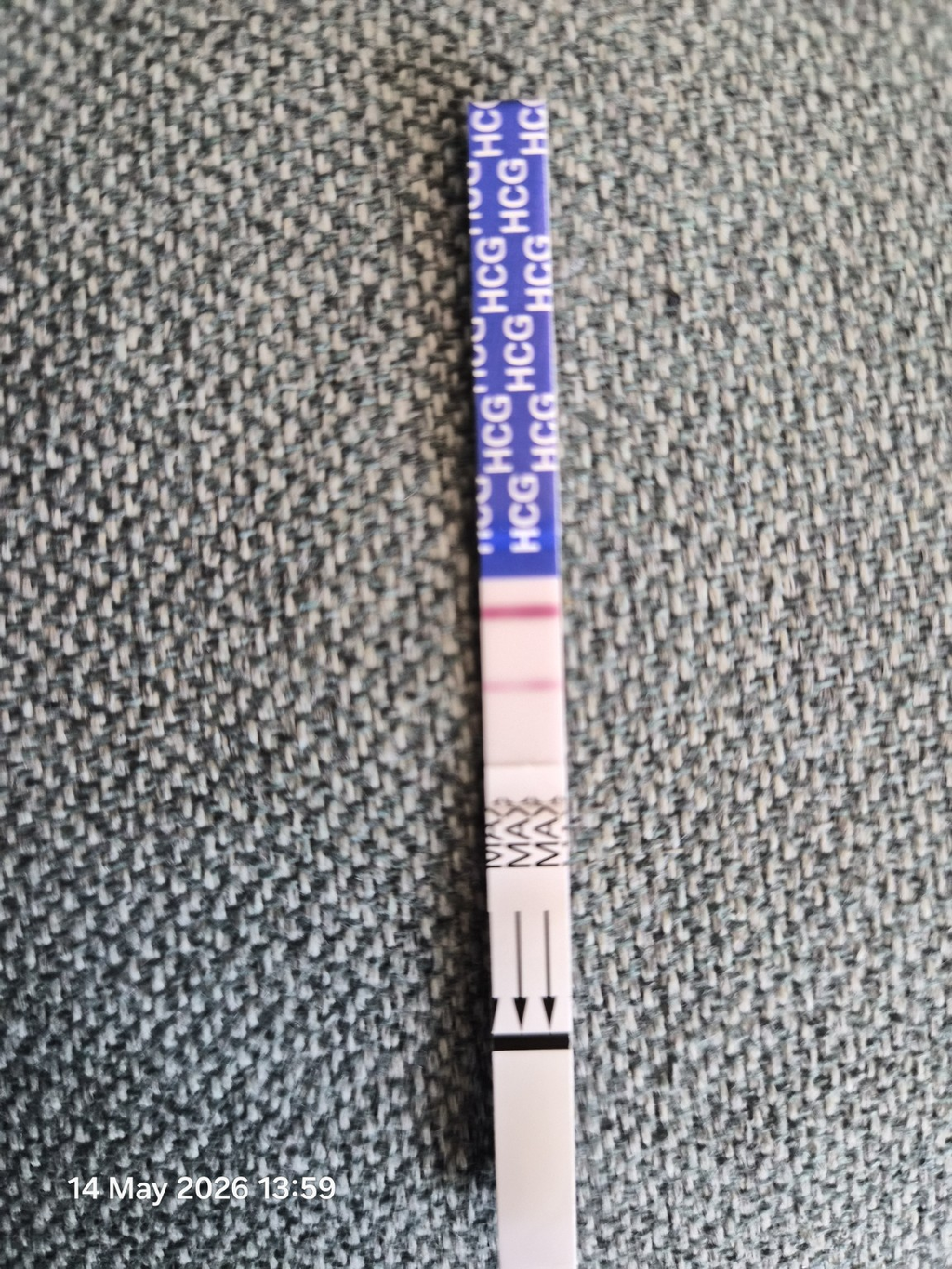
Stress and trying to conceive often go hand in hand. The uncertainty of each cycle, the pressure to track ovulation, and the emotional ups and downs can make TTC feel like a lot to carry at times. Whether you're early in your journey or deep into fertility treatments like IUI, the emotional toll is real, and often underestimated.
When stress and trying to conceive overlap, it's common to feel anxious, isolated, or even guilty. You may be grieving a life you imagined, or simply wondering when things will finally fall into place.
Let's be clear: whatever you're feeling is valid. And you're not alone. Around 1 in 7 couples in the UK have difficulty conceiving, according to the NHS, so if this feels hard, that's because it genuinely is.
This guide is here to gently support you, offering emotional insight, mindset tools, and evidence-based strategies to help you cope, find calm, and feel held throughout your TTC journey.
Why Stress Is Common When Trying to Conceive
Feeling stress while trying to conceive is incredibly common. The TTC journey often involves cycles of hope, waiting, and uncertainty, and that emotional rollercoaster can take a real toll over time.
Each month can bring a new set of expectations: tracking ovulation, timing intercourse or insemination, analysing symptoms, and then waiting to see whether the cycle worked. When results don't come as quickly as hoped, it's natural to feel disappointment or frustration.
Learning about your cycle and fertile window can sometimes ease stress while trying to conceive, because it helps you feel more in control of the process.
Many people also experience anxiety during the two-week wait, the time between ovulation and when a pregnancy test becomes accurate. During this phase, it's easy to overanalyse every sensation or symptom and wonder if it means pregnancy.
On top of that, trying to conceive can sometimes feel isolating. Friends and family may not understand the emotional ups and downs, and social situations, such as pregnancy announcements or baby-related conversations, can trigger difficult feelings.
It's important to remember that these reactions are completely normal. Feeling stressed or low while TTC doesn't mean you're doing anything wrong, and it certainly doesn't mean you're alone. Many people experience the same emotional challenges during this process.
Recognising that stress is a common part of the TTC journey can be the first step toward finding healthier ways to cope and support your mental wellbeing.
The Emotional Impact of Stress and Trying to Conceive
Around 1 in 7 couples in the UK experience fertility challenges, according to the NHS's own infertility page. That's millions of people navigating the same heartbreak, fear, and frustration, often in silence.
Fertility struggles aren't just about biology. They touch every area of life: your sense of identity, your relationships, your routines, your career plans, and your mental wellbeing.
You may feel like no one understands. Like you should just "be positive" or "stop stressing." But the truth is: it's hard. And admitting that is not weakness. It's honesty.
According to the Human Fertilisation and Embryology Authority's (HFEA) real guidance on getting emotional support, based on current evidence, stress doesn't appear to lower success rates during fertility treatment, but it can make a real difference to how you cope with the process, and to decisions about whether to continue. Taking care of your mental health is not optional; it's essential, regardless of what the evidence does or doesn't say about outcomes.
Common Feelings on the Fertility Journey (and Why They're Normal)
Grief
Even if you haven't lost a pregnancy, fertility struggles can bring grief, the loss of ease, of time, of dreams, of milestones that pass. If talking to your partner about any of this feels hard, our guide on how to talk to your partner about trying again has real, practical starting points. Grief is not only about what's gone, but what hasn't come.
Anxiety
The constant need to monitor, plan, and hope, combined with uncertainty, can leave you feeling on edge. Anxiety is a completely normal response to prolonged stress and unpredictability.
Guilt & Shame
It's easy to fall into self-blame. "What did I do wrong?" "Why can't my body do this?" These thoughts can become a mental loop, even when they're untrue. If you're wondering whether a semen analysis might give you real answers rather than guesswork, our guide on whether you should get a semen analysis explains what it actually involves.
Isolation
You might pull away from friends who are pregnant. Social media may feel unbearable. Family may not understand. This disconnection can be one of the most painful parts of the experience.

Mindset Shifts That Can Gently Support You
You don't need to think positively all the time. But sometimes, a small mindset shift can soften the load.
From Everything At Once → One small step at a time
When everything feels like a lot, ask yourself:
"What's one kind thing I can do today?"
That could be a walk, switching off your phone, or doing nothing at all.
From Self-Blame → Compassion
Try saying: "My body is doing its best. This is not my fault."
Your worth is not defined by test results or pregnancy outcomes.
From Isolation → Connection
Joining a support group, talking to a therapist, or sharing honestly with one trusted person can make you feel seen.
From Hopelessness → Possibility
Hope isn't pretending everything's fine, it's believing that your life can still hold joy and meaning, even in uncertainty.
Watch: Does Stress Really Affect Your Fertility?
Prefer to hear it explained out loud? Dr Lora Shahine, a US reproductive endocrinologist, breaks down what the actual evidence says about stress and getting pregnant, and what's genuinely worth doing about it.
Practical Ways to Reduce Stress While Trying to Conceive
There's no perfect formula for feeling better. But building daily support habits can help regulate your nervous system and protect your emotional energy.
These tools don't fix everything, but they do build resilience over time.
- Journaling — Write freely or use prompts like "What am I holding right now?"
- Meditation or breathwork — Even 5 minutes of quiet can shift your day.
- Gentle movement — A slow walk, a few stretches, dancing in your kitchen.
- Digital boundaries — Mute triggering accounts. Take time away from TTC content.
- Community support — Join a fertility forum or local support circle.
- Counselling or therapy — A safe space to process fear, grief, and hope.
- Partner time — Plan "no TTC talk" days to reconnect and recharge.
- Rest — Schedule it. Protect it. Rest is not a luxury, it's a necessity.

Support Is Out There, and You Deserve It
You don't need to wait until you're at breaking point to seek support. Many people feel "not bad enough" to justify asking for help, but that's a myth.
You are allowed to:
- Talk to your GP about anxiety, sleep, or burnout
- Ask your clinic for access to a fertility counsellor
- Take a cycle off
- Skip events that feel triggering
- Say "I need support", even if you said you were fine yesterday
In the UK, there are excellent resources offering free or low-cost emotional support during TTC, including:
- BICA (British Infertility Counselling Association), the only professional infertility counselling association recognised by the British Fertility Society, with a real find-a-counsellor directory
- The HFEA's own list of real emotional-support organisations, including options specifically for men and for donor conception
- Mind, for general mental health support, anxiety, and low mood
- Counsellors at most NHS and private fertility clinics
- Your GP, who can refer you to mental health support
Worth knowing: Fertility Network UK, long a well-known name in this space, closed in 2026 after entering a managed wind-down, so if you see it mentioned elsewhere, it's no longer able to take new support requests. The organisations above are all real, currently active alternatives.
Strengthening Your Relationship While TTC
Trying to conceive can place real emotional strain on even the strongest relationships. But it can also bring depth and closeness, if you give each other space and grace.
Tips for protecting your bond:
- Check in with each other emotionally (not just logistically)
- Schedule non-fertility days for joy and fun
- Accept and respect different coping styles
- Remind each other: you're on the same team
Final Words: You Are Already Doing Enough
TTC is not just a medical journey. It's an emotional and spiritual one, too. You are not just "trying", you are learning, grieving, growing, and surviving.
That's a lot.
So take breaks. Breathe. Celebrate small wins. Let people in. Let some things go.
And always, always remember:
You are more than your fertility.
You are worthy of love, rest, and support, exactly as you are today.
FAQ: Stress and Trying to Conceive
Is it normal to feel stressed while trying to conceive?
Yes. Many people experience emotional ups and downs while trying to conceive. The uncertainty of each cycle, tracking ovulation, and waiting to test can create anxiety and pressure. Feeling stressed, frustrated, or low during TTC is very common and does not mean you are doing anything wrong.
Can stress affect fertility?
The evidence is mixed. The HFEA's own guidance says stress doesn't clearly lower success rates during fertility treatment, and there's no strong proof that short-term stress alone prevents natural conception. However, prolonged stress can unsettle the hormonal rhythm behind ovulation, and in men can affect testosterone and sperm quality, so taking steps to manage stress can help support both your emotional wellbeing and your TTC journey.
How can I reduce stress while trying to conceive?
Some helpful strategies include setting boundaries around symptom tracking, spending time outdoors, practising gentle movement like walking or yoga, and talking openly with a partner or trusted friend. Many people also benefit from journaling, meditation, or connecting with TTC support communities like those listed by BICA.
When should I seek support for TTC stress?
If stress, anxiety, or sadness begins affecting your sleep, work, relationships, or daily life, it can be helpful to seek support. Speaking with a GP, therapist, or fertility counsellor can provide practical coping tools and emotional support during the TTC process.
Is it common to feel isolated while trying to conceive?
Yes. Many people feel isolated during the fertility journey, especially when friends or family members become pregnant. Social media and pregnancy announcements can also trigger difficult emotions. Connecting with others who understand the TTC experience can help reduce feelings of loneliness.
How many couples in the UK struggle to conceive?
According to the NHS, around 1 in 7 couples in the UK may have difficulty conceiving, roughly 3.5 million people. If you're finding this hard, you're genuinely one of a very large number of people going through the same thing right now.
Keep Reading: More TTC Guides
Looking for more evidence-based support while you're trying to conceive? These guides go deeper on related questions:
- 9 Natural Ways to Boost Fertility
- Trying to Conceive Stress: How to Talk to Your Partner About Trying Again
- Two Week Wait Symptoms: What Happens After Ovulation
- Fertility Terms Explained: The Complete TTC Glossary (A-Z)
- Trying to Conceive? What Actually Helped Us at the Beginning
You've got this, and we're here every step of the way.